...y yo me lo he perdido :(
lunes, 20 de septiembre de 2010
domingo, 19 de septiembre de 2010
| [+/-] |
Resumen Semanal #01 |
Pues realizamos nuestra primera entrega de resumen de noticias -tarde, mal y a rastro- y... espera, ¿que diablos es esto de resumen? Como hemos comentado en el cBox del blog, en nuestra cuenta de facebook ponemos links -casi- diarios a diversas noticias que consideramos de interes, asi como descargas de diverso tipo de vez en cuando. Como no vamos a poner TODO, los fines de semana pondremos un breve resumen de todo lo publicado...
¿Y que nos ha traido esta semana?
- Desde hace un par de semanas tenemos presente por muchisimos foros la polémica de la Caja Roja de D&D 4ª, de la que no queda mucho más que decir, pero si os quedan dudas, a ver si se pueden aclarar...
- Se crea una nueva editorial, Ars Epica, que a partir de ahora se encargará de la línea de publicaciones del juego de rol de fantasía Roleage y serán los encargados de imprimir el juego de la Marca del Este.
- La pregunta que nos hacemos muchos esta semana es... ¿Que c**o se esta gestando?
Pronto lo sabremos... hay fecha, no tardaremos nueve meses en saberlo, asi que el próximo 20 veremos que sale de esto... - El fin de semana del 24 al 26 de septiembre, dentro de la III Japan Weekend Madrid, se celebrará un nuevo evento a su vez, dedicado al mundo de los videojuegos, su nombre: Madrid Games Expo. Un evento que promete presentaciones en exclusiva, torneos oficiales, representaciones de las principales marcas y editoras, freeplays, conferencias y charlas, exposiciones, juego on-line y un largo etcétera. La entrada al evento, es compartida con la de la III Japan Weekend de Madrid, con lo que accediendo a uno, se puede disfrutar de ambos eventos.
- Vuelven a las estanterias dos expansiones de Smallworld : Grandes Damas y Malditos. Tambien aparece la reedición de la ampliación para 5 y 6 jugadores de los Colonos de Catán, y anuncian que en breve también estarán Ciudades y Caballeros, Bárbaros y Mercaderes y Navegantes de Catán.
- Final Fantasy VII Advent Children Complete a la venta el 14 de diciembre en España.
- Noomi Rapace, protagonista de Millenium, tendrá un papel principal en Sherlock Holmes 2 y según algunas fuentes dará vida a una gitana francesa.
- Mickey Rourke entra en el reparto de The Ice Man: Confessions of a Mafia Contract Killer, para interpretar a Richard The Ice Man Kuklinski, un asesino de la mafia de New Jersey durante 40 años.
- Milla Jovovich había dicho que le encantaría volver a Resident Evil 5 cuando se le pregunto si podría haber una quinta entrega, y dijo que el proyecto tendrá luz verde si le va bien a Resident Evil: Afterlife
- La distribuidora Aurum ha confirmado para sus lanzamientos del mes de Noviembre que el día 24 junto a la ya anunciada edición de La Princesa Mononoke en DVD lanzarán el blu-ray de Nausicaä del Valle del Viento.

- La prensa Italiana culpa al presidente del jurado, el gran Quentin Tarantino, sobre como los mayores premios del Festival de Venecia fueron entregados. Supuestamente, el otorgó los premios a sus amigos más cercanos. Sofia Coppola, su ex novia, ganó el León de Oro, el amigo de Tarantino, Alex de la Iglesia ganó dos premios, incluyendo el León de Plata al mejor director y uno por el guión, y el mentor de Tarantino, Monte Hellman ganó un premio especial por su trayectoria creado por el jurado.
- Stephen Lang, el malo maloso de Avatar, podría tener uno de los principales papeles en Terra Nova, el nuevo proyecto televisivo de Steven Spielberg, sobre un viaje desde el futuro al pasado en la época de los dinosaurios. Jason O´Mara (Life On Mars) ya se ha hecho con el papel protagonista y Allison Miller (Kings) lo acompañará. Mientras que David Fury, uno de los guionistas-productores de la serie, se marcha de la misma por diferencias creativas.
- Lightstorm Entertainment de James Cameron y 20th Century Fox TV quiere llevar a la televisión True Lies (Mentiras Arriesgadas), la película con Arnold Schwarzenegger y Jamie Lee Curtis. Cameron ya hizo otro acercamiento a la televisión con Dark Angel que protagonizaba una jovencísima Jessica Alba.

- Muere Kevin McCarthy, protagonista de La invasión de los ladrones de cuerpos.
- De Niro y Pacino pueden volver a coincidir. Y sería en el proyecto que, provisionalmente, lleva el título The Irishman. Se trata de una producción del propio De Niro y su socia Jane Rosenthal, que va a dirigir el mismísimo Martin Scorsese. Paramount distribuirá el film. La cinta se centrará en las andanzas del asesino a sueldo de la mafia Frank The Irishman Sheeran -del que algunas fuentes dicen que tuvo algo que ver en la desaparición de Jimmy Hoffa. El prestigioso Steven Zaillian ha escrito un guión que se basa en el libro I Hear You Paint Houses, de Charles Brandt.
- El Hobbit comenzará a rodarse en Enero. Ian McKellen acaba de revelar a The Bolton que la producción de El Hobbit, comenzará en enero. MGM tiene aún que resolver sus problemas financieros y aunque se cree que Peter Jackson se hará cargo, aun están sin director. Por el momento, los guiones están terminados y se rumorea a Martin Freeman para interpretar a Bilbo Bolsón.
- El primer fin de semana de noviembre, del 5 al 6, celebrará en el recinto ferial Infecar de Las Palmas, el Festival del Manga de Las Palmas 2010. Entre las actividades prometidas habrá tanto talleres culturales como muchos juegos para hacer el evento lo mas divertido posible. La entrada al evento costará 3,50 euros por día, pero también habrá un bono para todos los días de 7 euros.
- El 16 de septiembre, se cumplen 120 años del nacimiento de Agatha Mary Clarissa Miller Christie Mallowan en Torquay (Devon, Inglaterra), y con el tiempo, fue conocida como la Reina del Crimen.
- El 4 de Diciembre llega el esperado lanzamiento en DVD y BLU-RAY de La Saga Crepusculo: Eclipse en diferentes formatos y ediciones. El fenómeno de esta saga ha barrido las taquillas de los cines este verano, con una recaudación que ha superado en España los 19.500.000€.
- Estrellas invitadas para la segunda temporada de Stargate Universe: Victor Garber (Alias), David Hewlett (Stargate Atlantis), Robert Picarto (Stargate SG-1 y Atlantis), Kathleen Quinlan, French Stewart, junto a Robert Knepper (Prison Break, Heroes) y Julie McNiven (Supernatural), estos dos últimos tendrán un arco de varios episodios para lucirse.
- ¿Queréis saber lo que le ocurrió a William Adama tras el final de Battlestar Galactica?, sí, pues parece que lo contará con una novela gráfica, y Edward James Olmos está involucrado en el proyecto.
- La Teoría del friki... ¿Qué es un friki?
- Desgraciadamente Andy Whitfield no estará en la segunda temporada de Spartacus: Blood and Sand, ya que debe comenzar de inmediato un tratamiento más agresivo para tratar su linfoma, y abandona definitivamente la serie. La cadena Starz de momento no hace declaraciones sobre el futuro de Spartacus, solo que su precuela, Spartacus: Gods of the Arena, se estrenará en enero de 2011 como estaba previsto. Esperemos que tenga una recuperación completa y lo más temprano posible.

Hemos leido, además, algunas reseñas interesantes:
- La Espada de Fuego (Literatura)
- Resident Evil 4: Ultratumba (Pelicula)
- Pesadilla antes de Navidad (Novela ilustrada)
- Los Libros de la Magia (Comic)
- Dark Sun Campaign Setting (Rol)
- Mr. Jack Pocket (Juego de Tablero)
- Constantinópolis (Juego de Tablero)
- Blue Moon City (Juego de Tablero)
- Bang! (Juego de Tablero)
- Mall of Horror (Juego de Tablero)
Y encontramos también algunos juegos de tablero Print & Play:
Esta semana Literatura Fantástica y Crónicas de Alejandria comparte con todos nosotros, entre otros, los siguientes libros:
¿cual os gusta más? particularmente, me gusta más el de la derecha... ¿que opinais? ^^
- La Reina de la Nieve (Vinge, Joan)
- La Estación Downbelow (Cherryh JC)
- Marea Estelar (Brin, David)
- Neuromante (Gibson, William)
- La Rebelión de los Pupilos (Brin, David)
- Cyteen 1: La Traición (Cherryh, C J)
- Un Fuego Sobre el Abismo (Vinge, Vernon)
- El Libro del juicio Final (Willis, Connie)
- La Era de Diamante: Manual Ilustrado para Jovencitas (Stephenson, Neal)
- Los Juegos del Hambre 3: Sinsajo (Collins, Suzanne)
- El húesped de Drácula (Stoker, Bram)
- Guardianes de la noche 3: Eterna oscuridad (Ivy, Alexandra)
- Paz Interminable (Haldeman, Joe)
- Official Handbook of the Marvel Universe: A to Z Update Vol. 1 #1
- Official Handbook of the Marvel Universe: A to Z Update Vol. 1 #2
- SAS Survival Guide: How To Survive Anywhere, On Land Or At Sea
- Insight Guide Japan
- The A to Z of the United Nations
- OST Supernatural, Season 1-5
- Distant Worlds II: More Music From Final Fantasy
- 4.3.2.1 Soundtrack
- Graphic Myths and Legends - Marwe: Into the Land of the Dead (an East African Legend)
- Galloglass 1250-1600: Gaelic Mercenary Warrior
- US Mechanized Infantryman in the First Gulf War
- Cowboys & Aliens (Graphic Novel)
- American Revolution (Eyewitness Books)
- Historical Dictionary of Terrorism
- Dictionary of Gods and Goddesses
- OST Halo Reach
- OST Lost: The Final Season
- Tron 1.5: Rise of the Virals (Soundtrack)
- Eureka - The Compass Rose (música)
- Star Wars Insider #120
- OST Cutthroat Island (1995)
- OST Henry V (1989)
- The Pacific War Companion: From Pearl Harbor to Hiroshima
- Deserts (Ecosystem)
- Frank Miller's Hard Boiled (Complete)
- Hirota Joji - Japanese Folk Songs (música)
- The Penguin Atlas of Ancient History
- The Penguin Atlas of Medieval History
- Figure Drawing Without A Model
| ![]() |
¿cual os gusta más? particularmente, me gusta más el de la derecha... ¿que opinais? ^^
domingo, 12 de septiembre de 2010
| [+/-] |
Legend of the Five Rings,4th Ed |

Legend of the Five Rings,4th Ed
Core Book
Bienvenidos a la 4ª Edición del épico juego de rol La Leyenda de los Cinco Anillos. Uniros a nosotros para la definitiva aventura de Samurais, atrapados en batallas perpétuas de honor y gloria, obligados por el Código del Bushido. El Imperio Esmeralda de Rokugan exige mucho de sus Samurais: el servicio a su Señor, el servicio a su Clan, y sobre todo, el servicio a su Emperador.
Aqui teneis una nueva entrada, en las que os traigo este libro básico, muy esperado por muchos. Como mis expertos me han fallado -tendre que hablar seriamente con ellos- y no tengo tiempo para mirar yo mismo el libro, no hay reseña del nuevo sistema de juego que nos ofrecen en esta edición, asi que voy a ofreceros en su lugar unos cuantos libros más que sirvan como apoyo a vuestras partidas, eso si, en ingles...

The Samurai Sourcebook
Brave, invincible warriors, fighting sword in hand against overwhelming odds. Those were the Samurai. In this comprehensive, enthralling, illustration-filled look at their history, personalities, strategies, costume, and campaign you'll find every detail of their armor and weaponry, as well as information on the Samurai army's development, its organization, and the fighters' feudal obligation. Follow the evolution of the sword and polearms, plus, the technology and deployment of explosives. Take a peek into castle life and the rituals of battle. Case studies, often based on contemporary chronicles, diaries and official records, focus in on the most important invasions and combat situations from 940 to 1638, and religious traditions.

Samurai
The World of the Warrior
The world of the samurai - the legendary elite warrior cult of old Japan - has for too long been associated solely with military history and has remained a mystery to the general reader. In this exciting new book, Stephen Turnbull, the world's leading authority on the samurai, goes beyond the battlefield to paint a picture of the samurai as they really were. Familiar topics such as the cult of suicide, ritualised revenge and the lore of the samurai sword are seen in the context of an all-encompassing warrior culture that was expressed through art and poetry as much as through violence. Using themed chapters, the book studies the samurai through their historical development and their relationship to the world around them - relationships that are shown to persist in Japan even today.

Samurai Warfare
Japan's legendary and fierce samurai warriors have an unrelenting hold on the public's imagination. The world's most renowned expert on these fierce fighters provides an exceptional, in-depth look at the samurai's unique combat skills and weaponry. Confront charismatic warlords and lone mercenaries as Dr. Turnbull examines battlefield tactics, personalities and practices, finding fascinating comparisons between the samurai and other medieval fare. Rare historic illustrations and specially commissioned paintings by Richard Hook bring you face to face with some of the planet's most terrifying battle scenes.

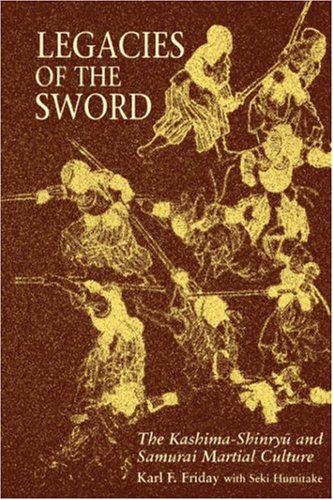
Legacies of the Sword
The Kashima-Shinryu and Samurai Martial Culture
Western scholars are generally far less familiar with the samurai in his original role as warrior and master of arms than in his other functions as landowner, feudal lord, litterateur, or philosopher. Karl Friday examines samurai martial culture from a historical and worldview in this study.

Samurai Commanders (1060-1576)
[ Vol 1 | Vol 2 ]
The samurai were the military elite of medieval and early modern Japan, and the men who led them were hailed as the very greatest, most heroic and most honourable of all samurai warriors. This first of two books examines the lives, equipment, battles and wider roles of the samurai commanders between 940 and 1576, the period from the emergence of the samurai to the triumph of Oda Nobunaga, who set Japan on the road to reunification. The styles of armour and weaponry of the samurai changed considerably during this time and this book visually recreates some of the most famous samurai commanders.

Japanese Castles (1540-1640)
The most familiar characteristics of the traditional Japanese castle are the huge sloping stone walls and the graceful yet militarily sophisticated structures built on top of them. This title covers the entire period of Japanese castle development from the first introduction of stone walls and tower keeps in the mid-16th century, through the period of the great sieges of Japanese history - Nagashino (1575), Kitanosho (1583), Odawara (1590), Fushimi (1600), Osaka (1615) and Hara (1638), the last of the battles that brought an end to a period of intense internal strife known as the Sengoku Jidai (Age of Warring Battles).

Samurai Armies (1467-1649)
The Sengoku The Jidai, 'Age of Warring States', is the age of the samurai - the military aristocracy of Japan. This period, which lasted from the outbreak of the Onin War in 1467 to the establishment of the Tokugawa Shogunate in the early 17th century, was a period of endemic warfare, when a lack of central control led to constant struggles between the daimyo, 'great names', who sought to extend the influence of their families through political and military means. This title will examine the complicated nature of family and clan that governed so much of the initial organization of the armies, how this changed over the period and how battlefield tactics developed over a series of major encounters such as Nagashino and Sekigahara.

Warriors of Medieval Japan
The fearless, elite warriors of medieval Japan were loyal comrades but deadly foes. Whether foot soldier, samurai or trained assassin, these men were driven by strict codes of honor and bound by deep allegiances of rank, family or religion.
This book examines the military lives of four formidable warrior types, covering the samurai and the ninja as well as the experiences of warrior monks and ashigaru foot soldiers, less familiar to western readers. The recruitment, training and equipment of each warrior type are described, and their beliefs, motivation and experience of warfare are explored. Rare material from Japanese sources makes this a highly authoritative treatment of the military elites of medieval Japan, brought to life by lavish illustrations and photography

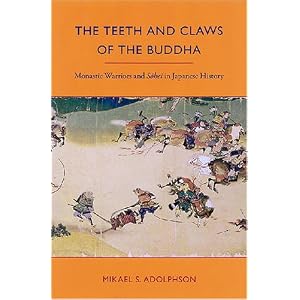
The Teeth and Claws of the Buddha
Monastic Warriors and Sohei in Japanese History
Japan's monastic warriors have fared poorly in comparison to the samurai, both in terms of historical reputation and representations in popular culture. Often maligned and criticized for their involvement in politics and other secular matters, they have been seen as figures separate from the larger military class. However, as Mikael Adolphson reveals in his comprehensive and authoritative examination of the social origins of the monastic forces, political conditions, and warfare practices of the Heian (794-1185) and Kamakura (1185-1333) eras, these "monk-warriors"(sōhei) were in reality inseparable from the warrior class. Their negative image, Adolphson argues, is a construct that grew out of artistic sources critical of the established temples from the fourteenth century on. As the warrior class came to dominate national politics, the sōhei image gained momentum and was eventually paired with the concept of "monk-warriors," a term imported from Korea. Only one sōhei, the legendary Benkei of the late twelfth century, escaped the criticisms leveled at the monk-warriors by later observers--not because he was justified in fighting as a monk, but rather because he served the celebrated warrior Minamoto Yoshitsune, thus reinforcing the primacy of the samurai image.
In deconstructing the sōhei image and looking for clues as to the characteristics, role, and meaning of the monastic forces, The Teeth and Claws of Buddha highlights the importance of historical circumstances; it also points to the fallacies of allowing later, especially modern, notions of religion to exert undue influence on interpretations of the past. It further suggests that, rather than constituting a separate category of violence, religious violence needs to be understood in its political, social, military, and ideological contexts. Monastic warriors acted no differently from their secular counterparts and do not appear to have been motivated by a religious rhetoric much different from other ideologies condoning violence. The absence of such a discourse is as unexpected as it is important--particularly in light of current assumptions about holy wars and crusaders--indicating that other factors played an important role for those who fought in the name of the Buddha. By tracing the use and emergence of the constructed sōhei images that displaced the historical Benkei and monastic fighters, this work also offers an explanation of how and why the invented tradition of "monk-warriors" became such a prominent feature in the modern reconstruction of medieval Japan.
The Teeth and Claws of Buddha puts East Asian religious violence in its proper milieu. Its intelligent and cogent analysis will be of great interest to scholars and students of early Japanese history and religion as well as specialists in premodern Buddhism and religion in China and Korea.
Estos links no son mios, asi que es posible que desaparezcan en cualquier momento. En caso de que no funcionen, dar un aviso ;)
Aqui teneis una nueva entrada, en las que os traigo este libro básico, muy esperado por muchos. Como mis expertos me han fallado -tendre que hablar seriamente con ellos- y no tengo tiempo para mirar yo mismo el libro, no hay reseña del nuevo sistema de juego que nos ofrecen en esta edición, asi que voy a ofreceros en su lugar unos cuantos libros más que sirvan como apoyo a vuestras partidas, eso si, en ingles...

The Samurai Sourcebook
Brave, invincible warriors, fighting sword in hand against overwhelming odds. Those were the Samurai. In this comprehensive, enthralling, illustration-filled look at their history, personalities, strategies, costume, and campaign you'll find every detail of their armor and weaponry, as well as information on the Samurai army's development, its organization, and the fighters' feudal obligation. Follow the evolution of the sword and polearms, plus, the technology and deployment of explosives. Take a peek into castle life and the rituals of battle. Case studies, often based on contemporary chronicles, diaries and official records, focus in on the most important invasions and combat situations from 940 to 1638, and religious traditions.

Samurai
The World of the Warrior
The world of the samurai - the legendary elite warrior cult of old Japan - has for too long been associated solely with military history and has remained a mystery to the general reader. In this exciting new book, Stephen Turnbull, the world's leading authority on the samurai, goes beyond the battlefield to paint a picture of the samurai as they really were. Familiar topics such as the cult of suicide, ritualised revenge and the lore of the samurai sword are seen in the context of an all-encompassing warrior culture that was expressed through art and poetry as much as through violence. Using themed chapters, the book studies the samurai through their historical development and their relationship to the world around them - relationships that are shown to persist in Japan even today.

Samurai Warfare
Japan's legendary and fierce samurai warriors have an unrelenting hold on the public's imagination. The world's most renowned expert on these fierce fighters provides an exceptional, in-depth look at the samurai's unique combat skills and weaponry. Confront charismatic warlords and lone mercenaries as Dr. Turnbull examines battlefield tactics, personalities and practices, finding fascinating comparisons between the samurai and other medieval fare. Rare historic illustrations and specially commissioned paintings by Richard Hook bring you face to face with some of the planet's most terrifying battle scenes.

Legacies of the Sword
The Kashima-Shinryu and Samurai Martial Culture
Western scholars are generally far less familiar with the samurai in his original role as warrior and master of arms than in his other functions as landowner, feudal lord, litterateur, or philosopher. Karl Friday examines samurai martial culture from a historical and worldview in this study.

Samurai Commanders (1060-1576)
[ Vol 1 | Vol 2 ]
The samurai were the military elite of medieval and early modern Japan, and the men who led them were hailed as the very greatest, most heroic and most honourable of all samurai warriors. This first of two books examines the lives, equipment, battles and wider roles of the samurai commanders between 940 and 1576, the period from the emergence of the samurai to the triumph of Oda Nobunaga, who set Japan on the road to reunification. The styles of armour and weaponry of the samurai changed considerably during this time and this book visually recreates some of the most famous samurai commanders.
Japanese Castles (1540-1640)
The most familiar characteristics of the traditional Japanese castle are the huge sloping stone walls and the graceful yet militarily sophisticated structures built on top of them. This title covers the entire period of Japanese castle development from the first introduction of stone walls and tower keeps in the mid-16th century, through the period of the great sieges of Japanese history - Nagashino (1575), Kitanosho (1583), Odawara (1590), Fushimi (1600), Osaka (1615) and Hara (1638), the last of the battles that brought an end to a period of intense internal strife known as the Sengoku Jidai (Age of Warring Battles).

Samurai Armies (1467-1649)
The Sengoku The Jidai, 'Age of Warring States', is the age of the samurai - the military aristocracy of Japan. This period, which lasted from the outbreak of the Onin War in 1467 to the establishment of the Tokugawa Shogunate in the early 17th century, was a period of endemic warfare, when a lack of central control led to constant struggles between the daimyo, 'great names', who sought to extend the influence of their families through political and military means. This title will examine the complicated nature of family and clan that governed so much of the initial organization of the armies, how this changed over the period and how battlefield tactics developed over a series of major encounters such as Nagashino and Sekigahara.

Warriors of Medieval Japan
The fearless, elite warriors of medieval Japan were loyal comrades but deadly foes. Whether foot soldier, samurai or trained assassin, these men were driven by strict codes of honor and bound by deep allegiances of rank, family or religion.
This book examines the military lives of four formidable warrior types, covering the samurai and the ninja as well as the experiences of warrior monks and ashigaru foot soldiers, less familiar to western readers. The recruitment, training and equipment of each warrior type are described, and their beliefs, motivation and experience of warfare are explored. Rare material from Japanese sources makes this a highly authoritative treatment of the military elites of medieval Japan, brought to life by lavish illustrations and photography

The Teeth and Claws of the Buddha
Monastic Warriors and Sohei in Japanese History
Japan's monastic warriors have fared poorly in comparison to the samurai, both in terms of historical reputation and representations in popular culture. Often maligned and criticized for their involvement in politics and other secular matters, they have been seen as figures separate from the larger military class. However, as Mikael Adolphson reveals in his comprehensive and authoritative examination of the social origins of the monastic forces, political conditions, and warfare practices of the Heian (794-1185) and Kamakura (1185-1333) eras, these "monk-warriors"(sōhei) were in reality inseparable from the warrior class. Their negative image, Adolphson argues, is a construct that grew out of artistic sources critical of the established temples from the fourteenth century on. As the warrior class came to dominate national politics, the sōhei image gained momentum and was eventually paired with the concept of "monk-warriors," a term imported from Korea. Only one sōhei, the legendary Benkei of the late twelfth century, escaped the criticisms leveled at the monk-warriors by later observers--not because he was justified in fighting as a monk, but rather because he served the celebrated warrior Minamoto Yoshitsune, thus reinforcing the primacy of the samurai image.
In deconstructing the sōhei image and looking for clues as to the characteristics, role, and meaning of the monastic forces, The Teeth and Claws of Buddha highlights the importance of historical circumstances; it also points to the fallacies of allowing later, especially modern, notions of religion to exert undue influence on interpretations of the past. It further suggests that, rather than constituting a separate category of violence, religious violence needs to be understood in its political, social, military, and ideological contexts. Monastic warriors acted no differently from their secular counterparts and do not appear to have been motivated by a religious rhetoric much different from other ideologies condoning violence. The absence of such a discourse is as unexpected as it is important--particularly in light of current assumptions about holy wars and crusaders--indicating that other factors played an important role for those who fought in the name of the Buddha. By tracing the use and emergence of the constructed sōhei images that displaced the historical Benkei and monastic fighters, this work also offers an explanation of how and why the invented tradition of "monk-warriors" became such a prominent feature in the modern reconstruction of medieval Japan.
The Teeth and Claws of Buddha puts East Asian religious violence in its proper milieu. Its intelligent and cogent analysis will be of great interest to scholars and students of early Japanese history and religion as well as specialists in premodern Buddhism and religion in China and Korea.
Estos links no son mios, asi que es posible que desaparezcan en cualquier momento. En caso de que no funcionen, dar un aviso ;)
martes, 7 de septiembre de 2010
| [+/-] |
Crónicas Cretenses |

En esta colección de librojuegos, compuesta de tres volúmenes, tomaremos la figura de Alteo, hijo del rey de Atenas y hermano de Teseo, el héroe que venció al Minotauro, pero que en estos libros no logró sobrevivir al enfrentamiento con el guardián del laberinto, de modo que nuestra misión será vengarlo. Viajaremos hasta Creta para enfrentarnos con el Minotauro, secuestraremos a Ariadne, y pagaremos nuestros pecados sufriendo la maldicion de los Dioses del Olimpo...
Enfocada a un público un poco más adulto, los tres títulos nos embarcan en una odisea mítica por toda Grecia en la que interactuaremos con personajes históricos, personajes de las fábulas y las leyendas y dioses del panteón Griego.

Aunque se basan en el sistema de juego de los libros de Fighting Fantasy, disponen de cualidades propias que los hacen unicos. De principio, ya no tienen las mismas caracteristicas, ya que aqui tenemos Fuerza, Proteccion, Honor y Deshonra -si obtiene muchos puntos de esto ultimo, malo, ya que se suicida o le caera un rayo de parte de Zeus...-; tampoco dispone de puntos de vida, sino de niveles de heridas, pasando por Sano, Herido, Gravemente Herido y Muerto -bueno, esto ultimo tampoco tiene que ser definitivo, es malo estar muerto, pero los Dioses pueden intervenir... y si, los Dioses del Olimpo tambien pintan bastante, ya que de principio se disfruta de la proteccion de una deidad (a elegir entre Atenea, Ares, Hera, Afrodita, Apolo o Poseidon), y habra dioses que sean tus aliados, que pasen o que se opongan a ti...
Ademas de todo esto, tiene una cosa unica a la que llaman probar fortuna, que permiten realizar acciones fuera de lo normal, como pasar a una pagina distinta a la que deberías de ir, como si pudieses ver el futuro...
Enfocada a un público un poco más adulto, los tres títulos nos embarcan en una odisea mítica por toda Grecia en la que interactuaremos con personajes históricos, personajes de las fábulas y las leyendas y dioses del panteón Griego.

Ademas de todo esto, tiene una cosa unica a la que llaman probar fortuna, que permiten realizar acciones fuera de lo normal, como pasar a una pagina distinta a la que deberías de ir, como si pudieses ver el futuro...

domingo, 5 de septiembre de 2010
| [+/-] |
Creature Scene Investigation |

Una serie de libros -lamentablemente para algunos, en ingles- dedicados cada uno de ellos a una criatura terrible, en donde se realiza un estudio de su existencia, mediante la comprobación de las historias, pruebas y hechos registrados. Ideal como material de apoyo en partidas tipo Expediente X o de temáticas parecida o similar.
Suscribirse a:
Entradas (Atom)
El Bibliotecario
El Bibliotecario existe desde la Edad Antigua como respuesta a una necesidad social; sin su concurso, la Humanidad seguiría jugando a las tabas.
Pero es gracias a sus visitantes, y sus colaboraciones con esta Biblioteca Rolera, que seguimos existiendo.

Nuestras Entradas
-
►
2014
(46)
- ► septiembre (1)
-
►
2012
(69)
- ► septiembre (4)
-
►
2011
(82)
- ► septiembre (9)
-
►
2010
(44)
- ► septiembre (8)
Nuestras Etiquetas
- Actualizacion de Material (73)
- Cine y TV (9)
- Comic (8)
- Juegos de Mesa (7)
- Juegos de Rol (64)
- Librojuegos (1)
- Literatura (10)
- Material de Apoyo (26)
- Miniaturas (1)
- Musica (1)
- Notificacion (52)
- PC y Consolas (6)
- Resumen de Noticias (58)
- Teoria y Practica (7)