
Legend of the Five Rings,4th Ed
Core Book
Bienvenidos a la 4ª Edición del épico juego de rol La Leyenda de los Cinco Anillos. Uniros a nosotros para la definitiva aventura de Samurais, atrapados en batallas perpétuas de honor y gloria, obligados por el Código del Bushido. El Imperio Esmeralda de Rokugan exige mucho de sus Samurais: el servicio a su Señor, el servicio a su Clan, y sobre todo, el servicio a su Emperador.
Aqui teneis una nueva entrada, en las que os traigo este libro básico, muy esperado por muchos. Como mis expertos me han fallado -tendre que hablar seriamente con ellos- y no tengo tiempo para mirar yo mismo el libro, no hay reseña del nuevo sistema de juego que nos ofrecen en esta edición, asi que voy a ofreceros en su lugar unos cuantos libros más que sirvan como apoyo a vuestras partidas, eso si, en ingles...

The Samurai Sourcebook
Brave, invincible warriors, fighting sword in hand against overwhelming odds. Those were the Samurai. In this comprehensive, enthralling, illustration-filled look at their history, personalities, strategies, costume, and campaign you'll find every detail of their armor and weaponry, as well as information on the Samurai army's development, its organization, and the fighters' feudal obligation. Follow the evolution of the sword and polearms, plus, the technology and deployment of explosives. Take a peek into castle life and the rituals of battle. Case studies, often based on contemporary chronicles, diaries and official records, focus in on the most important invasions and combat situations from 940 to 1638, and religious traditions.

Samurai
The World of the Warrior
The world of the samurai - the legendary elite warrior cult of old Japan - has for too long been associated solely with military history and has remained a mystery to the general reader. In this exciting new book, Stephen Turnbull, the world's leading authority on the samurai, goes beyond the battlefield to paint a picture of the samurai as they really were. Familiar topics such as the cult of suicide, ritualised revenge and the lore of the samurai sword are seen in the context of an all-encompassing warrior culture that was expressed through art and poetry as much as through violence. Using themed chapters, the book studies the samurai through their historical development and their relationship to the world around them - relationships that are shown to persist in Japan even today.

Samurai Warfare
Japan's legendary and fierce samurai warriors have an unrelenting hold on the public's imagination. The world's most renowned expert on these fierce fighters provides an exceptional, in-depth look at the samurai's unique combat skills and weaponry. Confront charismatic warlords and lone mercenaries as Dr. Turnbull examines battlefield tactics, personalities and practices, finding fascinating comparisons between the samurai and other medieval fare. Rare historic illustrations and specially commissioned paintings by Richard Hook bring you face to face with some of the planet's most terrifying battle scenes.
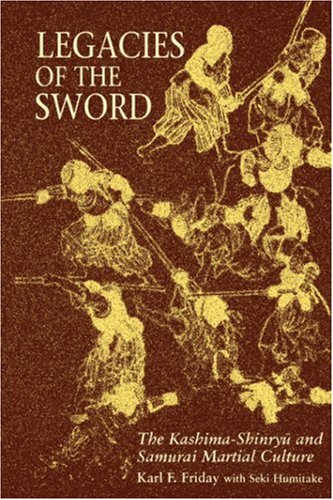
Legacies of the Sword
The Kashima-Shinryu and Samurai Martial Culture
Western scholars are generally far less familiar with the samurai in his original role as warrior and master of arms than in his other functions as landowner, feudal lord, litterateur, or philosopher. Karl Friday examines samurai martial culture from a historical and worldview in this study.

Samurai Commanders (1060-1576)
[ Vol 1 | Vol 2 ]
The samurai were the military elite of medieval and early modern Japan, and the men who led them were hailed as the very greatest, most heroic and most honourable of all samurai warriors. This first of two books examines the lives, equipment, battles and wider roles of the samurai commanders between 940 and 1576, the period from the emergence of the samurai to the triumph of Oda Nobunaga, who set Japan on the road to reunification. The styles of armour and weaponry of the samurai changed considerably during this time and this book visually recreates some of the most famous samurai commanders.

Japanese Castles (1540-1640)
The most familiar characteristics of the traditional Japanese castle are the huge sloping stone walls and the graceful yet militarily sophisticated structures built on top of them. This title covers the entire period of Japanese castle development from the first introduction of stone walls and tower keeps in the mid-16th century, through the period of the great sieges of Japanese history - Nagashino (1575), Kitanosho (1583), Odawara (1590), Fushimi (1600), Osaka (1615) and Hara (1638), the last of the battles that brought an end to a period of intense internal strife known as the Sengoku Jidai (Age of Warring Battles).

Samurai Armies (1467-1649)
The Sengoku The Jidai, 'Age of Warring States', is the age of the samurai - the military aristocracy of Japan. This period, which lasted from the outbreak of the Onin War in 1467 to the establishment of the Tokugawa Shogunate in the early 17th century, was a period of endemic warfare, when a lack of central control led to constant struggles between the daimyo, 'great names', who sought to extend the influence of their families through political and military means. This title will examine the complicated nature of family and clan that governed so much of the initial organization of the armies, how this changed over the period and how battlefield tactics developed over a series of major encounters such as Nagashino and Sekigahara.

Warriors of Medieval Japan
The fearless, elite warriors of medieval Japan were loyal comrades but deadly foes. Whether foot soldier, samurai or trained assassin, these men were driven by strict codes of honor and bound by deep allegiances of rank, family or religion.
This book examines the military lives of four formidable warrior types, covering the samurai and the ninja as well as the experiences of warrior monks and ashigaru foot soldiers, less familiar to western readers. The recruitment, training and equipment of each warrior type are described, and their beliefs, motivation and experience of warfare are explored. Rare material from Japanese sources makes this a highly authoritative treatment of the military elites of medieval Japan, brought to life by lavish illustrations and photography
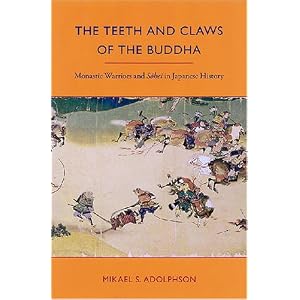
The Teeth and Claws of the Buddha
Monastic Warriors and Sohei in Japanese History
Japan's monastic warriors have fared poorly in comparison to the samurai, both in terms of historical reputation and representations in popular culture. Often maligned and criticized for their involvement in politics and other secular matters, they have been seen as figures separate from the larger military class. However, as Mikael Adolphson reveals in his comprehensive and authoritative examination of the social origins of the monastic forces, political conditions, and warfare practices of the Heian (794-1185) and Kamakura (1185-1333) eras, these "monk-warriors"(sōhei) were in reality inseparable from the warrior class. Their negative image, Adolphson argues, is a construct that grew out of artistic sources critical of the established temples from the fourteenth century on. As the warrior class came to dominate national politics, the sōhei image gained momentum and was eventually paired with the concept of "monk-warriors," a term imported from Korea. Only one sōhei, the legendary Benkei of the late twelfth century, escaped the criticisms leveled at the monk-warriors by later observers--not because he was justified in fighting as a monk, but rather because he served the celebrated warrior Minamoto Yoshitsune, thus reinforcing the primacy of the samurai image.
In deconstructing the sōhei image and looking for clues as to the characteristics, role, and meaning of the monastic forces, The Teeth and Claws of Buddha highlights the importance of historical circumstances; it also points to the fallacies of allowing later, especially modern, notions of religion to exert undue influence on interpretations of the past. It further suggests that, rather than constituting a separate category of violence, religious violence needs to be understood in its political, social, military, and ideological contexts. Monastic warriors acted no differently from their secular counterparts and do not appear to have been motivated by a religious rhetoric much different from other ideologies condoning violence. The absence of such a discourse is as unexpected as it is important--particularly in light of current assumptions about holy wars and crusaders--indicating that other factors played an important role for those who fought in the name of the Buddha. By tracing the use and emergence of the constructed sōhei images that displaced the historical Benkei and monastic fighters, this work also offers an explanation of how and why the invented tradition of "monk-warriors" became such a prominent feature in the modern reconstruction of medieval Japan.
The Teeth and Claws of Buddha puts East Asian religious violence in its proper milieu. Its intelligent and cogent analysis will be of great interest to scholars and students of early Japanese history and religion as well as specialists in premodern Buddhism and religion in China and Korea.
Estos links no son mios, asi que es posible que desaparezcan en cualquier momento. En caso de que no funcionen, dar un aviso ;)
Aqui teneis una nueva entrada, en las que os traigo este libro básico, muy esperado por muchos. Como mis expertos me han fallado -tendre que hablar seriamente con ellos- y no tengo tiempo para mirar yo mismo el libro, no hay reseña del nuevo sistema de juego que nos ofrecen en esta edición, asi que voy a ofreceros en su lugar unos cuantos libros más que sirvan como apoyo a vuestras partidas, eso si, en ingles...
The Samurai Sourcebook
Brave, invincible warriors, fighting sword in hand against overwhelming odds. Those were the Samurai. In this comprehensive, enthralling, illustration-filled look at their history, personalities, strategies, costume, and campaign you'll find every detail of their armor and weaponry, as well as information on the Samurai army's development, its organization, and the fighters' feudal obligation. Follow the evolution of the sword and polearms, plus, the technology and deployment of explosives. Take a peek into castle life and the rituals of battle. Case studies, often based on contemporary chronicles, diaries and official records, focus in on the most important invasions and combat situations from 940 to 1638, and religious traditions.
Samurai
The World of the Warrior
The world of the samurai - the legendary elite warrior cult of old Japan - has for too long been associated solely with military history and has remained a mystery to the general reader. In this exciting new book, Stephen Turnbull, the world's leading authority on the samurai, goes beyond the battlefield to paint a picture of the samurai as they really were. Familiar topics such as the cult of suicide, ritualised revenge and the lore of the samurai sword are seen in the context of an all-encompassing warrior culture that was expressed through art and poetry as much as through violence. Using themed chapters, the book studies the samurai through their historical development and their relationship to the world around them - relationships that are shown to persist in Japan even today.
Samurai Warfare
Japan's legendary and fierce samurai warriors have an unrelenting hold on the public's imagination. The world's most renowned expert on these fierce fighters provides an exceptional, in-depth look at the samurai's unique combat skills and weaponry. Confront charismatic warlords and lone mercenaries as Dr. Turnbull examines battlefield tactics, personalities and practices, finding fascinating comparisons between the samurai and other medieval fare. Rare historic illustrations and specially commissioned paintings by Richard Hook bring you face to face with some of the planet's most terrifying battle scenes.
Legacies of the Sword
The Kashima-Shinryu and Samurai Martial Culture
Western scholars are generally far less familiar with the samurai in his original role as warrior and master of arms than in his other functions as landowner, feudal lord, litterateur, or philosopher. Karl Friday examines samurai martial culture from a historical and worldview in this study.
Samurai Commanders (1060-1576)
[ Vol 1 | Vol 2 ]
The samurai were the military elite of medieval and early modern Japan, and the men who led them were hailed as the very greatest, most heroic and most honourable of all samurai warriors. This first of two books examines the lives, equipment, battles and wider roles of the samurai commanders between 940 and 1576, the period from the emergence of the samurai to the triumph of Oda Nobunaga, who set Japan on the road to reunification. The styles of armour and weaponry of the samurai changed considerably during this time and this book visually recreates some of the most famous samurai commanders.
Japanese Castles (1540-1640)
The most familiar characteristics of the traditional Japanese castle are the huge sloping stone walls and the graceful yet militarily sophisticated structures built on top of them. This title covers the entire period of Japanese castle development from the first introduction of stone walls and tower keeps in the mid-16th century, through the period of the great sieges of Japanese history - Nagashino (1575), Kitanosho (1583), Odawara (1590), Fushimi (1600), Osaka (1615) and Hara (1638), the last of the battles that brought an end to a period of intense internal strife known as the Sengoku Jidai (Age of Warring Battles).
Samurai Armies (1467-1649)
The Sengoku The Jidai, 'Age of Warring States', is the age of the samurai - the military aristocracy of Japan. This period, which lasted from the outbreak of the Onin War in 1467 to the establishment of the Tokugawa Shogunate in the early 17th century, was a period of endemic warfare, when a lack of central control led to constant struggles between the daimyo, 'great names', who sought to extend the influence of their families through political and military means. This title will examine the complicated nature of family and clan that governed so much of the initial organization of the armies, how this changed over the period and how battlefield tactics developed over a series of major encounters such as Nagashino and Sekigahara.
Warriors of Medieval Japan
The fearless, elite warriors of medieval Japan were loyal comrades but deadly foes. Whether foot soldier, samurai or trained assassin, these men were driven by strict codes of honor and bound by deep allegiances of rank, family or religion.
This book examines the military lives of four formidable warrior types, covering the samurai and the ninja as well as the experiences of warrior monks and ashigaru foot soldiers, less familiar to western readers. The recruitment, training and equipment of each warrior type are described, and their beliefs, motivation and experience of warfare are explored. Rare material from Japanese sources makes this a highly authoritative treatment of the military elites of medieval Japan, brought to life by lavish illustrations and photography
The Teeth and Claws of the Buddha
Monastic Warriors and Sohei in Japanese History
Japan's monastic warriors have fared poorly in comparison to the samurai, both in terms of historical reputation and representations in popular culture. Often maligned and criticized for their involvement in politics and other secular matters, they have been seen as figures separate from the larger military class. However, as Mikael Adolphson reveals in his comprehensive and authoritative examination of the social origins of the monastic forces, political conditions, and warfare practices of the Heian (794-1185) and Kamakura (1185-1333) eras, these "monk-warriors"(sōhei) were in reality inseparable from the warrior class. Their negative image, Adolphson argues, is a construct that grew out of artistic sources critical of the established temples from the fourteenth century on. As the warrior class came to dominate national politics, the sōhei image gained momentum and was eventually paired with the concept of "monk-warriors," a term imported from Korea. Only one sōhei, the legendary Benkei of the late twelfth century, escaped the criticisms leveled at the monk-warriors by later observers--not because he was justified in fighting as a monk, but rather because he served the celebrated warrior Minamoto Yoshitsune, thus reinforcing the primacy of the samurai image.
In deconstructing the sōhei image and looking for clues as to the characteristics, role, and meaning of the monastic forces, The Teeth and Claws of Buddha highlights the importance of historical circumstances; it also points to the fallacies of allowing later, especially modern, notions of religion to exert undue influence on interpretations of the past. It further suggests that, rather than constituting a separate category of violence, religious violence needs to be understood in its political, social, military, and ideological contexts. Monastic warriors acted no differently from their secular counterparts and do not appear to have been motivated by a religious rhetoric much different from other ideologies condoning violence. The absence of such a discourse is as unexpected as it is important--particularly in light of current assumptions about holy wars and crusaders--indicating that other factors played an important role for those who fought in the name of the Buddha. By tracing the use and emergence of the constructed sōhei images that displaced the historical Benkei and monastic fighters, this work also offers an explanation of how and why the invented tradition of "monk-warriors" became such a prominent feature in the modern reconstruction of medieval Japan.
The Teeth and Claws of Buddha puts East Asian religious violence in its proper milieu. Its intelligent and cogent analysis will be of great interest to scholars and students of early Japanese history and religion as well as specialists in premodern Buddhism and religion in China and Korea.
Estos links no son mios, asi que es posible que desaparezcan en cualquier momento. En caso de que no funcionen, dar un aviso ;)




3 comentarios:
Vaya, matyerial muy bueno, desde luego... Mucho aprovechable para el Tierra de Ninjas ;)
Excelente maquetación, y por lo poco que leí, mucha información.
Muchísimas gracias, no sabía que iban a sacar esta cuarta edición de un juego genial.
E infinitas gracias por tu titánica labor de acercarnos el rol a tod@s.
Gracias por todo el material rolero, pero advierto que por lo menos falta una página en el manual de L5R.
L
Publicar un comentario